VOICES
Diverse Voices, Shared Science: Co-creating Inclusive Citizen Science with Youth and AI
-
VOICES is a three-year longitudinal project supporting diverse primary-aged children’s gradual progression from guided inquiry to independent research and community leadership through accessible, AI-supported citizen science, in partnership with schools and community organisations.
Overview
Citizen science can offer young people meaningful routes into environmental research and leadership. However, children from ethnic minority backgrounds, low-income families and neurodivergent learners continue to be underrepresented. These inequalities are interconnected: limited access to technology, transport costs, mistrust of institutions, and activities that do not adequately address diverse communication, sensory, and learning needs can constrain participation. In addition, many projects last less than a year, treat accessibility as an afterthought, and position young people primarily as data collectors rather than as co-designers whose questions and priorities shape the research.
VOICES addresses these challenges through three cohorts of approximately 25 children, progressing from School Year 3 to School Year 5 across three primary schools. Two embedded practitioners, who already have trusted relationships with the schools and Salisbury Museum, work alongside class teachers through weekly or biweekly sessions.
Each year begins with a visit to Salisbury Museum. Working with archaeology, art and natural history collections, students will identify questions that they consider important and worth investigating. In the first year, they will participate in guided inquiry. In the second year, they will design and conduct increasingly independent projects. By the final year, they will lead community research and advocacy campaigns, sharing their work through end-of-year exhibitions and project networks.
Accessibility features and AI-supported tools, including simplified instructions, voice-to-text, visual alternatives and automated species identification, will be co-designed with students, teachers and practitioners. These resources will be integrated into nQuire (https://nquire.org.uk/), the OU’s citizen inquiry platform, with teachers retaining responsibility for student accounts and data governance. Students will also work with the museum’s community curator to audit its accessibility and recommend practical improvements.
The project will use surveys of science motivation and agency, interviews, observations and student-created narratives to examine changes in confidence, belonging and environmental leadership over time. Findings will be developed into open-access toolkits, practitioner guides and policy briefs, released under Creative Commons and shared through AI in Education’s school network, as well as the wider citizen science and education communities connected to the project.
The role of IET
IET provides the research foundation for VOICES: citizen science and citizen inquiry with non-specialist participants, co-design with children and practitioners, accessible technology design, and mixed-methods evaluation of engagement and agency. The project builds on nQuire, a citizen inquiry platform developed and maintained at the OU. Features specified by students will therefore be integrated into an established platform used by thousands of people and remain available beyond the grant period.
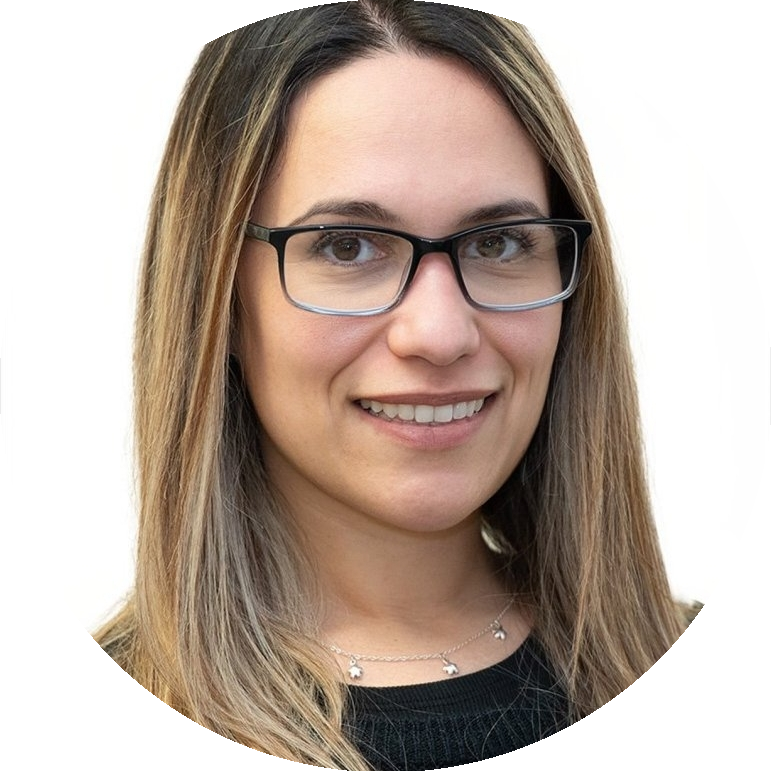
Dr Maria Aristeidou leads the project and its participatory action research design. Dr Tim Coughlan contributes expertise in accessible technologies and inclusive design. The team will work with two embedded practitioners, who will deliver weekly sessions alongside class teachers. Partner schools will lead recruitment and safeguarding, while Salisbury Museum will coordinate visits and accessibility activities. The project is supported by Christothea Herodotou as a mentor.
Funders
- ESRC
Partners
- Woodlands Primary School
- St Osmund's Catholic Primary School
- Wiltshire Creative
- AI in Education
- The Salisbury Museum